
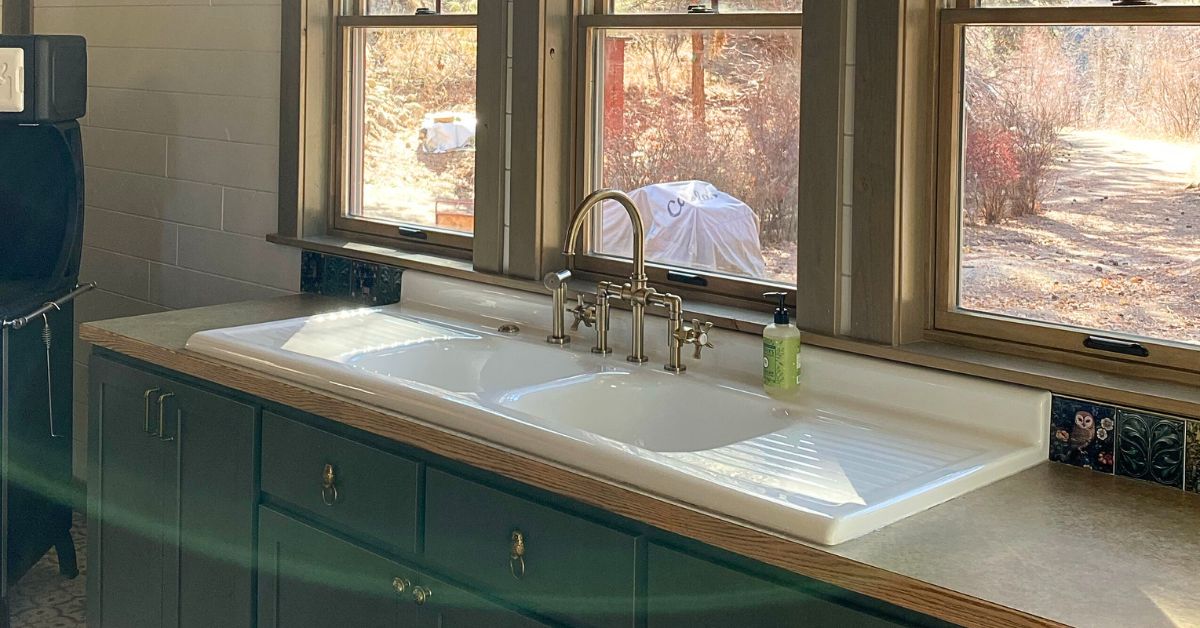
You finally found the centerpiece for your kitchen renovation. It brings a sense of history, charm, and timeless elegance to the room that modern stainless steel simply cannot match. But that beautiful, glossy surface has seen decades of use, and perhaps it shows some wear. You might worry that scrubbing it will ruin the finish or that those stubborn stains are permanent features.
Restoring the luster of Acrylic requires the right approach, but it is entirely possible. These fixtures are durable, that is why they have survived this long, but the glaze needs specific care to avoid dulling. You can easily bring back that brilliant white shine without harsh chemicals or expensive professional treatments. With a little patience and the right natural ingredients, your sink will look as stunning as the day it was first installed. We love helping you preserve these vintage porcelain sinks, so let’s explore exactly how to care for them safely.
Understanding Why Your Sink Needs Gentle Care
Acrylic sinks consist of cast Acrylic reinforced with a layer of fiberglass on the underside. This acrylic is a single cast sheet over the topside to maintain a vintage look, the fiberglass underside creates a modern solution to durability while maintaining a lighter weight. While this creates a hard, durable surface, it remains susceptible to scratching and dulling if you treat it too roughly. These tiny scratches trap dirt and coffee stains, making the surface look dirty even after you wash it. Understanding this composition helps you see why abrasive scouring pads and harsh acidic cleaners are the enemies of your sink. You must treat the surface like glass, not like a concrete driveway.
Gathering the Right Tools and Supplies
Success starts with your toolkit. You likely already have everything you need in your pantry. Chemical cleaners often contain abrasives that strip the finish, so sticking to natural, mild ingredients is the best strategy. Before you begin, collect the following items:
- Liquid dish soap (a grease-cutting variety works best)
- Baking soda (your new best friend)
- White distilled vinegar
- Fresh lemons or lemon juice
- Hydrogen peroxide
- Soft sponges or microfiber cloths
- A nylon scrub brush (optional, for corners)
- Paper towels
- Baby oil or lemon oil (for the final polish)
Notice that steel wool and scouring powders are missing from this list. Never use them.

Preparing the Sink for a Deep Clean
Start with a completely blank canvas. Remove all dishes, sponges, and drain stoppers from the basin. Rinse the entire surface with warm water to wash away loose food particles and surface dust. If you have any rubber mats or plastic grids protecting the bottom, take them out and wash them separately. You need clear access to every square inch. This step ensures that you do not accidentally grind a piece of grit into the finish while scrubbing later.
Wash the Surface with Mild Soap and Water
Your first pass removes surface oils and grease. Squeeze a generous amount of liquid dish soap onto a wet sponge. Scrub the entire basin, the apron front, and the surrounding deck. Use circular motions and warm water. This removes the daily grime and allows you to see the actual condition of the sink underneath. Rinse the soap away thoroughly. You might find that a simple soap wash brightens the sink significantly, but for those vintage pieces, you likely need to tackle deeper discoloration next.
Removing Stains with Baking Soda and Water
This step is where the magic happens. Sprinkle a thick layer of baking soda over the damp sink surface. The water will help the baking soda stick to the sides. Baking soda acts as a mild abrasive, it is tough enough to lift dirt but gentle enough not to scratch the sink. Use your soft sponge to scrub the baking soda into the stains. For stubborn areas, add a little more water to create a paste. Focus on the drain ring and corners where dirt accumulates. You will see the paste turn grey or brown as it lifts the grime.
Whitening Yellow Spots with Lemon and Salt
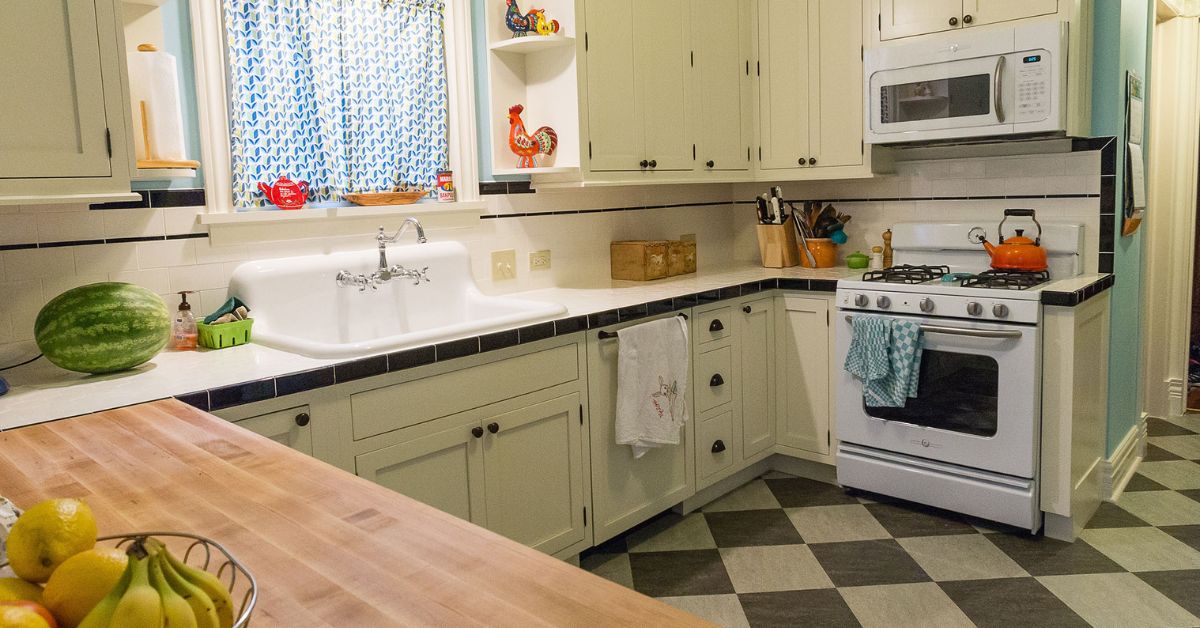
Owners of vintage farmhouse sinks with drainboards often find that the sloped area accumulates hard water deposits or discoloration from drying dishes. To combat this, cut a fresh lemon in half and sprinkle salt directly onto the cut fruit. Use the lemon like a sponge to scrub the discolored areas. The citric acid breaks down the mineral deposits and brightens the white sink, while the salt adds a temporary scouring power that dissolves quickly. Rinse immediately after scrubbing to ensure the acid does not sit on the surface for too long.
Polishing the Finish for a Brilliant Shine
Once you remove the stains and rinse the sink thoroughly, you want to make it sparkle. Dry the entire sink with a clean microfiber towel. Any remaining water will evaporate, but drying it by hand prevents water spots. Pour a small amount of lemon oil or baby oil onto a dry cloth. Buff the surface gently. This adds a protective hydrophobic layer that repels water and stains for a few days. It also gives the vintage sink that deep, wet-look gloss that looks so incredible in photographs.
Preventing Future Damage to the Sink
Protection is easier than restoration. To keep your vintage farmhouse sink looking this good, invest in a sink grid. This metal rack sits on the bottom of the basin and prevents heavy cast iron skillets or sharp utensils from hitting the basin directly. Never leave acidic foods like tomatoes, lemons, or vinegar sitting on the surface for hours. Rinse coffee and tea dregs immediately. Avoid leaving wet sponges on the rim, as they can trap water and promote bacterial growth or water rings.
Establishing a Routine for Long-Term Maintenance
Consistency beats intensity. A quick scrub with soapy water every evening prevents buildup effectively. Make the baking soda scrub a weekly ritual rather than a yearly chore. By staying ahead of the grime, you avoid the need for heavy scrubbing that risks the finish. With this simple, gentle care routine, you ensure it remains the beautiful heart of your home for generations to come.