

Dinner is over, and you’re left staring at the pile of dishes sitting in your farmhouse-style sink. Handwashing can take up a good chunk of time, but the good news is your sink can make the job much easier if you use it right. These tips for handwashing dishes in your farmhouse sink will help you use features like deep basins, double basins, and drainboards to make this common chore take up less of your day.
Keep Soap, Sponge, And Towels Within Reach
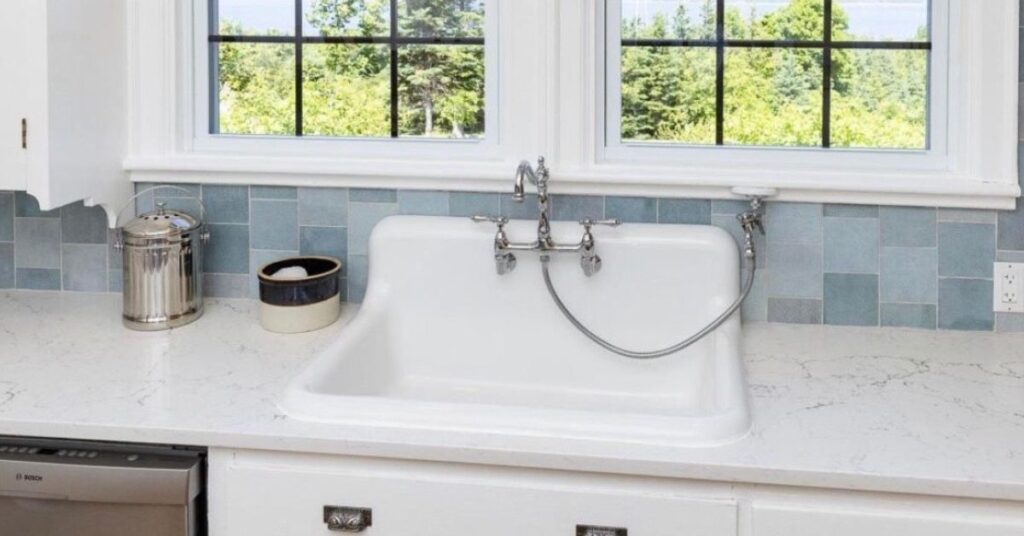
Before you start washing dishes, make sure you have all your basic cleaning supplies in reach. You’ll need dish soap, a soft sponge, and clean towels. Place these on the counter beside you. Alternatively, if you have a sink with double drainboards, like the farmhouse-style models sold at NBI Drainboard Sinks, you can use one of the drainboards as your prep area. By gathering everything beforehand, you save yourself from having to run around the kitchen or rummage through drawers once your hands are already wet,
Sort Dishes Before You Start
Want to get through your pile of dishes faster? Sort them before you start. Group similar items together. Put glasses in one area, plates in another, and pots or pans off to the side. This helps you move through the sink in a clear order instead of grabbing random items from a crowded pile.
Fill the Basin(s)
The next step is to fill the basin, or basins, with water. Some of NBI’s farmhouse-style sinks include double basins, which gives homeowners a little more flexibility during cleanup. If you have one basin, fill it with warm, soapy water and wash each item in batches before setting it aside to rinse. If you have two basins, you can employ the two-basin method and fill one basin with warm, soapy water for washing and the other with clean water for rinsing.
Use Warm Water, Not Hot Water
Warm water works well for handwashing because it helps loosen grease and food without making the process uncomfortable. Water that’s too hot can dry out your skin and leave your hands feeling irritated after a full sink of dishes. A lukewarm basin gives you a good balance of cleaning power and comfort, so the water is tough on your dishes, but easy on your hands.
A simple way to test the water is to run it over your fingers for a moment before you fill the sink. It should feel warm and comfortable, not sharp or intense. If you want to pull your hand away right away, it’s too hot.
Scrape Food Off Right Away
Food scraps should come off dishes before anything goes into the water. Bits of sauce, crumbs, and stuck-on pieces can dirty the basin very quickly, which makes the whole job harder than it needs to be. A quick scrape into the trash or disposal helps keep the water cleaner and gives your sponge less work to do.
Soak Large Kitchen Items in the Basin
Most farmhouse sinks will have a similar, or greater, depth than other types of sinks. You should be able to fit larger kitchen items like stock pots, roasting pans, baking sheets, and serving bowls, in them relatively easily. Submerge them in soapy water to loosen stuck-on food, then scrub remaining residue off using a non-abrasive scrubber. If your sink has a drainboard or drainboards, they’ll help keep water from splashing onto your counter as you wash these larger items.
Wash Least Dirty Items First
Starting with the cleanest dishes helps keep your water cleaner while you work. Glasses, mugs, and lightly used plates should go in before greasy pans or food-covered utensils. This keeps grease and leftover bits from spreading throughout the soapy water early in the cleaning process.
Dirty water is a problem; it can cause food residue to stick onto cleaner dishes, which makes them take longer to wash. And when the water gets too cloudy, you need to drain and refill it, which takes time and wastes water.
Wash Delicate Items Without Crowding
Farmhouse-style sinks give you enough space to separate delicate items from heavier dishes. Glassware, thin plates, and fragile bowls benefit from having their own area in the basin, instead of sitting in a crowded pile. With more room to move, you can wash each piece without it bumping into others. This helps reduce the chance of chips or cracks and keeps everything in better condition over time.
Let Dishes Air Dry on the Drainboard
Many farmhouse-style sinks feature drainboards. Drainboards are built-in surfaces that give wet dishes a place to dry after rinsing. When you place dishes on them, the water drains away instead of pooling on the counter. Instead of hand-drying every item while they’re still dripping, use the drainboard to let them air dry for a bit. Many dishes will dry off completely while they sit there, while the ones that still need attention will have far less water for you to wipe away.
Clean The Sink After You Finish
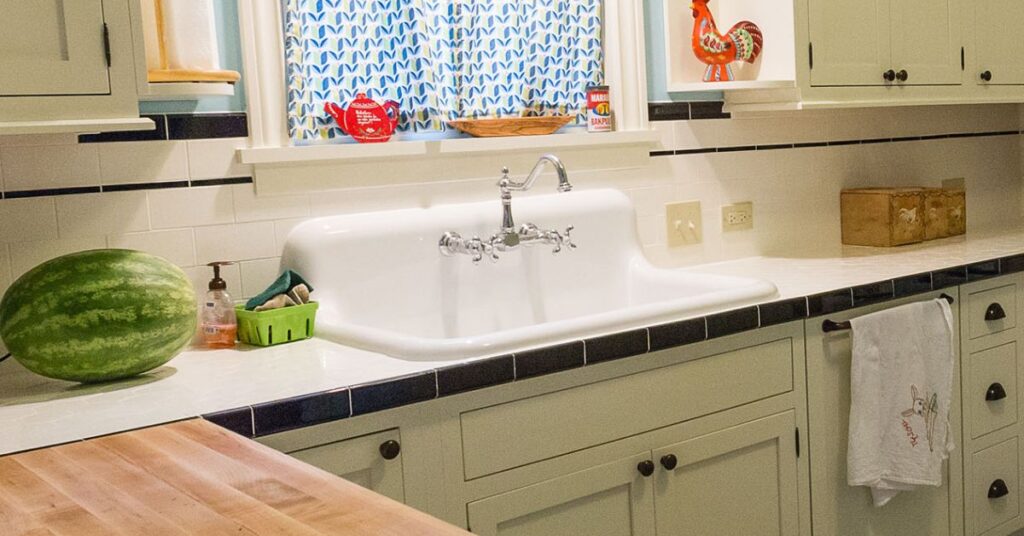
Once the dishes are done, take a minute to clean the sink itself. Bits of food, grease, and soap film can stay behind in the basin after handwashing. A quick wipe with soap and water is all it takes to keep a fiberglass-reinforced acrylic sink clean. Since the surface is non-porous, stain resistant, and resistant to mold and mildew, cleanup is simple. A clean sink leaves the whole kitchen in better shape for the next meal and the next round of dishes.
A Better Setup for Everyday Cleanup
A good sink does a lot of the work for you. When there’s space to soak pans, rinse plates, and set dishes aside to dry, cleanup fits more naturally into the rest of your kitchen routine. Handwashing dishes in your farmhouse sink feels easier when the sink itself gives you room to work.
For homeowners searching for a spacious, old-fashioned new sink for their kitchen, consider an antique farmhouse sink from NBI Drainboard Sinks. Our sinks have a charming, rustic look that fit right in in farmhouse-style and vintage-inspired homes. With large basins and integrated drainboards that act as a built-in dish drying station, they make handwashing much easier and more organized, so you can spend less time cleaning up after meals and more time enjoying your kitchen. Shop our selection today.